

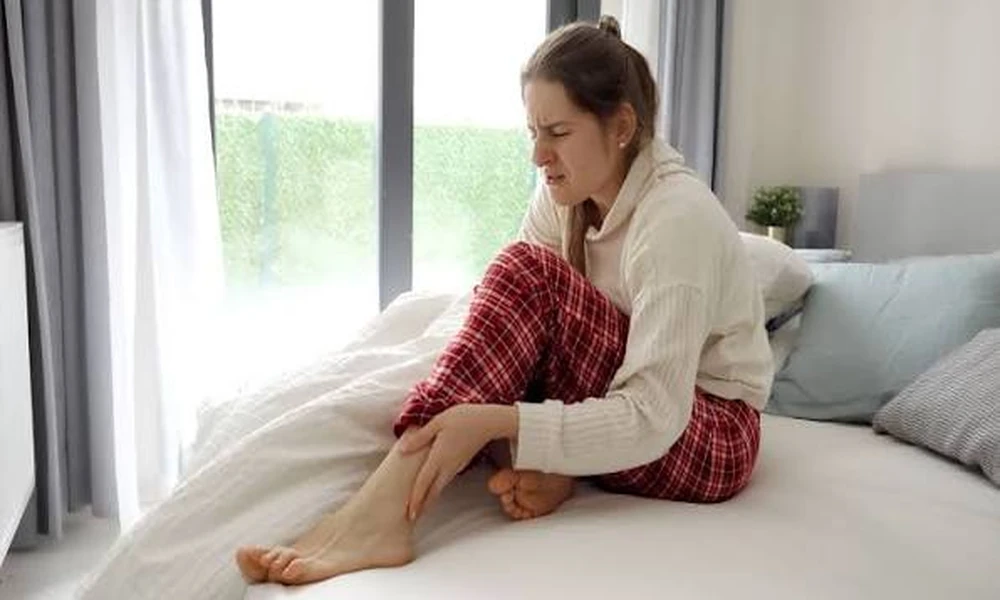
Waking up with tight calf muscles can interrupt sleep and leave your legs feeling sore. Nighttime cramps often involve sudden muscle tightening that makes rest difficult. Gentle stretching before bed can help your lower legs relax while supporting comfortable movement. A few simple movements can become part of your evening routine. These habits may help reduce leg cramps at night.
Understanding Calf Muscle Tension
The calf muscles sit behind your lower legs and help you stand, walk and move your feet. During sleep, these muscles can tighten suddenly, causing sharp discomfort that interrupts rest. Sitting for long periods or spending much of the day standing may contribute to muscle tension. Gentle movement before bedtime helps prepare the calves for a quieter night. Regular stretching also encourages awareness of muscle tightness.
Gentle Wall Stretching Technique
A wall stretch offers steady support while you lengthen the calf muscles. Stand facing a wall with both hands resting against it. Move one foot behind you while keeping its heel on the floor. Bend the front knee slightly until you feel a gentle pull in the back calf. Hold the position for twenty seconds, then switch legs.
– Keep both feet pointing forward throughout the stretch.
– Let your shoulders stay relaxed while holding the position.
– Breathe slowly instead of holding your breath.
– Keep the rear heel firmly against the floor.
– Repeat twice on each side before bedtime.
Seated Calf Stretch Routine
A seated stretch works well when standing feels tiring after a busy day. Sit near the edge of a sturdy chair with both feet resting on the floor. Extend one leg while keeping the knee gently straight. Bring your toes toward your body until the calf feels lightly stretched. Hold for fifteen to twenty seconds before changing sides. This movement can help ease tightness without requiring much space.
Ankle Movements Before Sleep
Small ankle movements can prepare the lower legs for stretching. Sit or lie down with your legs supported comfortably. Slowly point your toes away from your body, then draw them back toward your shins. Repeat the movement several times without forcing the joints. These gentle actions encourage circulation and help the muscles move through a comfortable range. They may also help when leg cramps at night follow long periods of sitting.
Building A Bedtime Stretching Habit
A steady routine makes stretching easier to remember. Choose a time that fits naturally into your evening, such as after changing into sleepwear. Keep each movement gentle and stop if discomfort increases. A warm room and relaxed breathing can make the routine feel more pleasant. Try these simple habits to support consistency:
– Stretch both calves even when only one feels tight.
– Move slowly rather than bouncing during each stretch.
– Keep a chair nearby for extra balance.
– Leave enough time to relax before getting into bed.
– Notice which movements leave your legs feeling more settled.
Supporting Comfortable Nighttime Rest
Stretching can support muscle relaxation, but good daily habits matter too. Drink enough water throughout the day and take short movement breaks during long periods of sitting. Avoid sudden, forceful movements when your muscles feel stiff. If repeated cramps disturb sleep or cause lasting pain, speak with a qualified healthcare professional. A simple routine paired with regular movement may help your legs feel more settled at bedtime.
FAQ
Can stretching prevent nighttime calf cramps?
Gentle stretching may help relax muscles before bedtime and reduce discomfort.
How long should each calf stretch last?
Hold each stretch for fifteen to twenty seconds without forcing movement.
When should someone seek professional advice?
Seek advice when frequent cramps disturb sleep or cause persistent pain.
