

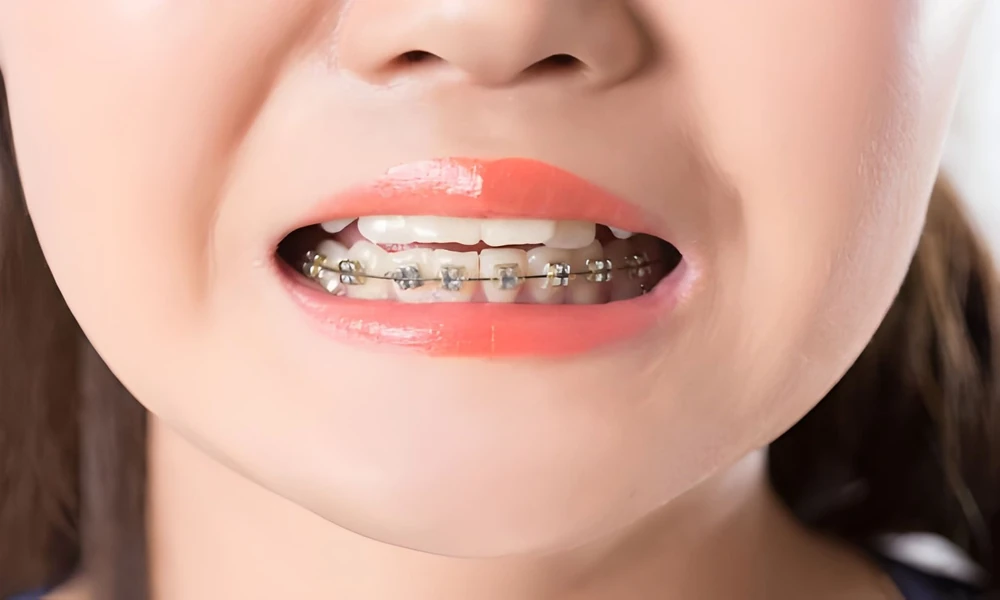
When people think about braces, the first thing that usually comes to mind is straightening crooked teeth. Fair enough. But orthodontic treatment can do quite a bit more than improve the appearance of a smile. It can also address spacing, crowding, and several bite problems that affect how the teeth come together.
For people considering metal braces Las Vegas, they must contact Aloha Orthodontics. Their experts explain how traditional braces use brackets and wires to apply gentle, consistent pressure to the teeth. Over time, this controlled movement can guide teeth into healthier positions. The process takes patience, but the changes can be substantial.
Crowded or Crooked Teeth
Crowding occurs when there is not enough room for teeth to fit comfortably in the dental arch. As a result, teeth may overlap, twist, or appear pushed out of position. Apart from making a smile look uneven, crowded teeth can be harder to brush and floss properly. Orthodontic treatment can gradually create better alignment, making the teeth easier to maintain.
Gaps Between Teeth
Spacing is another common concern. Some people naturally have noticeable gaps between their teeth, while others develop spaces for different dental reasons. Braces can gradually move teeth closer together and reduce unwanted gaps. The treatment approach depends on what caused the spacing and how much movement is needed.
Overbite and Underbite
The way the upper and lower teeth meet is important. When that relationship is not quite right, it can affect both appearance and function.
Common bite problems include:
- Overbite: The upper front teeth overlap the lower teeth more than they normally should.
- Underbite: The lower teeth extend ahead of the upper teeth when the mouth closes.
- Crossbite: One or more upper teeth bite behind the corresponding lower teeth.
- Open bite: Certain upper and lower teeth don’t touch when the mouth closes.
Depending on the individual case, orthodontic treatment can improve these alignment issues.
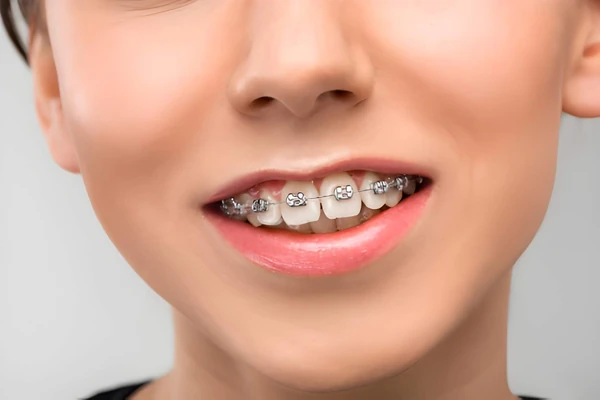
Rotated or Misaligned Teeth
A tooth does not always grow straight. Sometimes it turns or sits at an unusual angle. This can create an uneven appearance and may leave awkward spaces where food and plaque collect.
Braces can apply controlled pressure to rotate and reposition many types of misaligned teeth. Pretty impressive, really, when you think about how gradual the process is.
Improving Bite Function
A straighter smile is certainly appealing, but function matters just as much. When teeth don’t meet properly, chewing may feel uncomfortable or uneven. Moving the teeth into better positions can help improve the relationship between the upper and lower arches. In some cases, this may also make everyday cleaning easier.
Are Braces Suitable for Everyone?
Not necessarily. The right treatment depends on the patient’s dental condition, the severity of the alignment problem, jaw development, and overall oral health.
An orthodontic examination can identify the underlying issue and determine whether traditional braces are suitable. Some cases may require additional orthodontic appliances or a different treatment approach.
Ultimately, braces are not just about creating a straighter smile. They can help address several functional and alignment concerns too. The key is getting the problem properly evaluated before deciding on treatment.
