

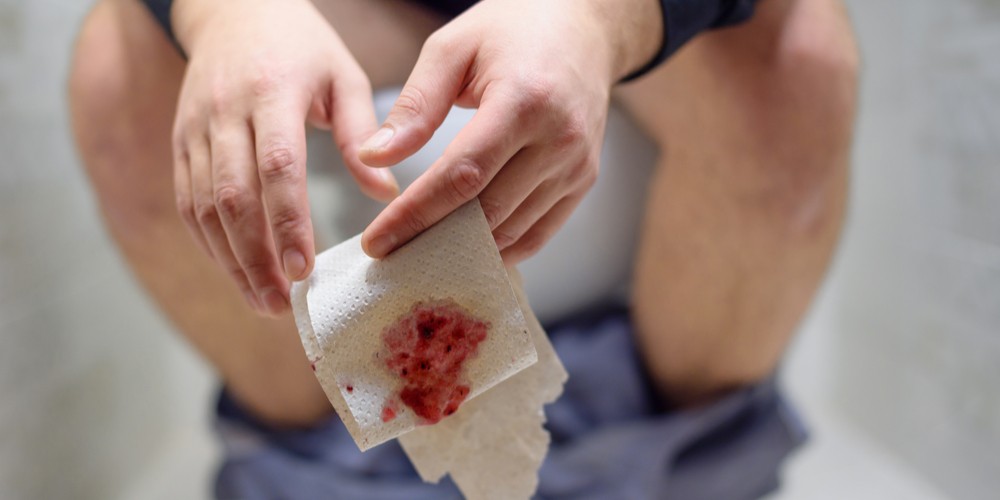
Noticing blood in stools can be alarming. It’s a symptom that instantly triggers concern, often associated with serious medical conditions. But what if you’re under a lot of stress? Can emotional or mental pressure really lead to physical symptoms like rectal bleeding? It’s a common question, and one surrounded by confusion.
In this article, we explore whether stress truly causes blood in stools, uncovering the myths and facts, and helping you understand when to seek medical advice.
Understanding What Blood in Stools Means
Before exploring the connection between stress and bleeding, it’s important to understand what bloody stools typically indicate. The presence of blood can appear in different forms:
- Bright red blood on toilet paper or the surface of the stool
- Dark red or maroon-colored stools
- Black, tarry stools (which may suggest bleeding higher in the digestive tract)
These variations offer clues about where the bleeding is coming from, anywhere from the rectum to the upper digestive system. Common causes include hemorrhoids, anal fissures, diverticular disease, polyps, inflammatory bowel disease (IBD), and in rare cases, gastrointestinal cancers. Most of these have a clear physical cause that needs to be evaluated.
The Mind-Gut Connection: How Stress Affects Digestion
The idea that stress affects the gut is not a myth, it’s a well-documented medical fact. The gut and brain are connected through what’s known as the gut-brain axis, a complex system of nerves, hormones, and biochemical signaling between the digestive tract and the central nervous system.
When you’re stressed, your body releases stress hormones like cortisol and adrenaline. These can influence digestion by:
- Altering gut motility (how quickly or slowly food moves through your system)
- Increasing stomach acid
- Causing inflammation
- Changing the balance of gut bacteria
This is why people under chronic stress may experience symptoms like bloating, nausea, constipation, or diarrhea. But what about blood in stools?
Can Stress Directly Cause Blood in Stools?
The short answer is: stress alone does not directly cause blood in stools. However, it can indirectly contribute to conditions that do. For example:
- Hemorrhoids: Stress can lead to constipation or irregular bowel habits. Straining during bowel movements due to constipation can cause or worsen hemorrhoids, which are swollen veins in the rectum or anus that can bleed.
- Irritable Bowel Syndrome (IBS): While IBS is closely linked to stress, it typically does not cause bleeding. However, in some cases, IBS symptoms may overlap with those of more serious conditions like IBD, which can cause bleeding.
- Peptic ulcers: Chronic stress doesn’t cause ulcers on its own, but it can worsen them. If an ulcer starts bleeding, it can result in black or tarry stools.
So, while stress isn’t the direct culprit, it can create or worsen conditions that lead to bleeding, making the connection complex but not entirely fictional.
When Blood in Stools is a Red Flag
Even if you’re going through a stressful period, blood in stools should never be dismissed or assumed to be caused by emotions alone. It’s important to see a doctor for proper evaluation, especially if you notice:
- Ongoing or recurrent bleeding
- Black, tarry, or maroon-colored stools
- Accompanying symptoms like abdominal pain, fatigue, weight loss, or changes in bowel habits
- A personal or family history of gastrointestinal conditions
Early detection of more serious conditions like colorectal cancer or IBD can make a significant difference in treatment outcomes.
Managing Stress and Gut Health Together
While stress isn’t usually the sole cause of bleeding, managing it is still crucial for overall digestive health. Chronic stress can exacerbate almost every gastrointestinal symptom, so reducing it can improve your quality of life and potentially ease related issues.
Here are a few ways to better manage stress and support gut health:
- Exercise regularly to release tension and regulate bowel movements
- Eat a high-fiber diet to prevent constipation and reduce hemorrhoid flare-ups
- Practice mindfulness or deep breathing exercises to calm the nervous system
- Avoid excessive caffeine and alcohol, which can irritate the gut
- Get enough sleep, as poor rest increases stress hormones
- Talk to a professional if you’re experiencing prolonged emotional or mental health challenges
Combining good stress management with medical advice is the most balanced approach to maintaining both mental and digestive wellness.
Conclusion
So, can stress cause blood in stools? Fact and myth, it depends on how you look at it. Stress doesn’t directly cause bleeding, but it can aggravate physical conditions that do. That’s why any presence of blood in your stool should be taken seriously and evaluated by a healthcare professional, regardless of your stress levels.
Understanding the relationship between mental health and gut function empowers you to take control of both. If you’re noticing digestive changes during stressful times, don’t ignore them. Your body, and your peace of mind, deserve the attention.
