

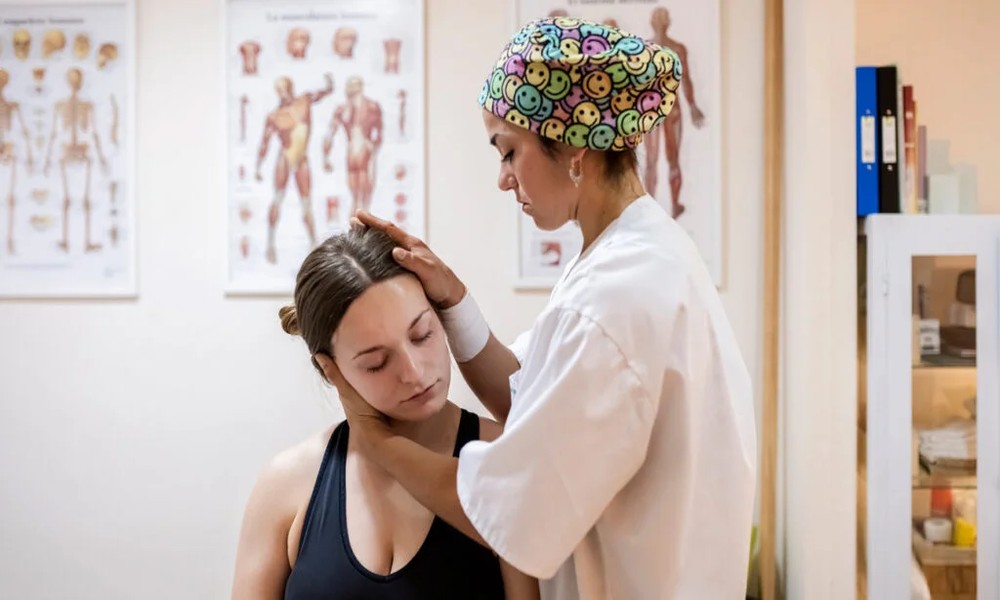
UK Physiotherapy for Migraine Prevention and Cervicogenic Headache Relief
Over ten million individuals across the United Kingdom experience frequent head pain. This widespread issue significantly impacts daily life and overall wellbeing.
Migraines alone affect approximately one in seven adults. Women are three times more likely to suffer from them than men.
The economic toll is substantial. Each year, migraine-related absenteeism costs nearly £4.4 billion, with 43 million workdays lost.
These conditions represent some of the most common health complaints. They carry heavy personal and financial burdens.
Specialised physical therapy offers an evidence-based, non-pharmaceutical path forward. It focuses on managing and reducing the frequency of severe head pain.
This approach targets the underlying musculoskeletal causes. It moves beyond simply masking symptoms with medication.
Cervicogenic head pain originates from structures in the neck. Migraines involve complex neurological mechanisms. Both can respond positively to targeted manual therapy and exercise.
Professional rehabilitation services provide personalised assessment and treatment plans. These are tailored to each person’s specific presentation and triggers.
The following sections explore the various techniques and strategies available for relief throughout Britain.
Key Takeaways
- Headache disorders, including migraines, affect millions of people in Britain, disrupting daily activities and quality of life.
- The problem has a significant economic impact, costing the UK economy billions annually in lost productivity.
- Specialised physical therapy provides a proven, drug-free approach to management and reduction of symptoms.
- Effective treatment addresses the root musculoskeletal or neurological causes, not just the pain itself.
- Cervicogenic head pain stems from the neck, whilst migraines are neurological; both can be helped by tailored intervention.
- A personalised assessment is crucial for developing an effective, individualised care plan.
- This resource outlines the various therapeutic approaches available for those seeking relief.
Understanding Cervicogenic Headaches and Migraines
Accurate identification of headache types forms the foundation of successful intervention. One specific category, cervicogenic headaches, originates from structures in the cervical spine. The discomfort is perceived in the head or face due to referred pain mechanisms.
These cervicogenic headaches are often categorised as traumatic or postural. Traumatic cases follow incidents like whiplash. Postural forms develop from chronic strain in the upper back and neck.
Common Symptoms and Triggers
Typical symptoms include a dull ache or sharp, stabbing pain. It usually starts at the top of the neck and back of the head, radiating towards the forehead or eye. This discomfort often worsens as the day progresses and typically remains on one side.
It is vital to distinguish this from other headaches. Tension-type pain presents as a band-like pressure, frequently linked to stress or muscle strain. A migraine is a neurological event, often accompanied by nausea and light sensitivity.
Common triggers for these conditions include sustained poor posture, muscular tension, and underlying joint issues. Recognising these factors is a key step.
Assessment and Diagnosis
A thorough assessment is essential to differentiate between the types of head pain. This process directly informs the correct management strategy.
Clinicians conduct detailed history-taking. They examine the pattern, frequency, location, and quality of the symptoms. Identifying aggravating and relieving factors helps establish a precise diagnosis for cervicogenic headaches or other headaches like migraine.
The Role of Physiotherapy in Migraine Prevention and Headache Management
Beyond temporary pain relief, modern rehabilitation strategies aim to address the mechanical sources of recurrent headaches. This approach moves past symptom management to correct underlying dysfunctions.
Skilled practitioners identify contributing factors like muscular imbalances and joint restrictions. They then develop a targeted plan for sustained improvement.
Benefits of Manual Therapy
Hands-on techniques form a core part of this treatment. They directly address tissue restrictions in the neck and upper back.
Methods like soft tissue massage and joint mobilisation reduce muscle tension. This eases common triggers and improves local blood flow.
Stiffness or misalignment in the cervical spine can be corrected. Restoring optimal joint mobility is key to breaking the cycle of pain.
This holistic model of care empowers patients. It often reduces reliance on medication by offering sustainable, active solutions.
|
Technique |
Primary Action |
Benefit for Headache Management |
|
Joint Mobilisation |
Restores spinal segment movement |
Alleviates stiffness causing referred pain |
|
Soft Tissue Massage |
Releases hypertonic muscles |
Reduces tension in neck and shoulder triggers |
|
Myofascial Release |
Addresses connective tissue restrictions |
Improves tissue extensibility and blood flow |
|
Muscle Energy Techniques |
Engages patient’s muscle effort to relax tissues |
Normalises movement patterns and proprioception |
physiotherapy for migraine prevention and cervicogenic headaches UK
A one-size-fits-all approach rarely succeeds in tackling complex conditions like persistent head pain. Effective management requires a strategy crafted around the unique presentation, contributing factors, and personal goals of each individual.
Customised Treatment Plans
This personalised care begins with a comprehensive assessment. Clinicians examine multiple elements to build a complete picture.
- Postural alignment and movement patterns.
- Vertebral positioning and intervertebral joint mobility.
- Muscle strength, length, and coordination.
- Daily ergonomic and lifestyle factors.
The evaluation has a dual focus. First, it identifies the immediate source of discomfort to guide symptomatic relief. Second, it uncovers the underlying mechanical or postural dysfunction to help prevent recurrence.
An evidence-informed treatment plan is then tailored to address the specific contributors found. This could target postural dysfunction, muscle coordination deficits, or cervical joint restrictions.
Realistic expectations are key. This specialised physiotherapy does not claim to cure headache disorders. Instead, robust evidence suggests it can help reduce their frequency, intensity, or duration when musculoskeletal factors are involved.
The plan is dynamic, evolving through ongoing reassessment. It integrates manual therapy, therapeutic exercise, education, and self-management strategies. These are all tailored to the individual‘s lifestyle, capabilities, and preferences to maximise engagement for people seeking lasting relief.
Comprehensive Body and Posture Assessment
A comprehensive posture evaluation looks at the whole body, not just the symptomatic area. This process examines the entire kinetic chain. It recognises that distant postural and biomechanical factors frequently contribute to symptoms.
Postural Evaluation
Clinicians assess how a person holds their body in sitting, standing, and functional positions. They check head position relative to the trunk, forward head posture, and rounded shoulder positioning. Sustained poor alignment, especially during desk work, strains the neck and upper back.
Muscular Imbalance and Joint Function
The assessment identifies overactive, shortened muscle groups and underactive, lengthened ones. It also evaluates intersegmental movement in the cervical spine. Testing the strength of deep cervical stabilisers reveals common weaknesses linked to chronic head pain.
This holistic view helps pinpoint underlying dysfunction. It informs a targeted plan to address muscular imbalance and joint issues. The goal is to reduce mechanical strain and prevent recurrence.
Innovative Manual Therapy Techniques
Cutting-edge manual interventions focus on restoring normal function to the intricate structures of the cervical spine and surrounding tissues. This hands-on approach directly tackles the mechanical sources of discomfort.
Specialist practitioners employ a precise array of methods. These are tailored to each person’s specific presentation and tolerance.
Targeting Neck and Upper Back
Particular attention is given to the upper cervical vertebrae, especially C1 to C3. These segments have strong neurological links to pain pathways in the head.
Techniques often address key muscles like the suboccipital group and upper trapezius. Releasing tension here can significantly reduce referred symptoms.
Soft Tissue Mobilisation
Methods such as therapeutic massage and myofascial release work on hypertonic tissues. They apply sustained pressure to ease tightness in the neck, upper back, and shoulders.
This process improves local circulation and helps normalise muscle tone. It is a core part of modern manual therapy.
Restoring Joint Mobility
Gentle, graded mobilisations are applied to stiff spinal segments. The goal is to restore smooth, pain-free movement and alleviate joint dysfunction.
By reducing mechanical stress, these techniques help break the cycle of recurring pain. They are progressed carefully based on individual response.
Enhancing Movement Through Exercise and Rehabilitation
Building physical resilience through specific exercise is a proven strategy for reducing head pain recurrence. Therapeutic movement retraining addresses the muscular deficits and control problems that contribute to symptoms.
This active approach forms a fundamental component of modern rehabilitation. It moves beyond passive care to empower lasting change.
Tailored Exercise Programmes
Programmes are individualised based on detailed assessment findings. They target specific weaknesses, imbalances, and movement impairments unique to each person.
A key focus is strengthening the deep neck flexor muscles. These provide essential segmental stability to the cervical spine.
Progressive resistance training builds endurance in the scapular and cervical stabilisers. This supports optimal alignment and reduces strain.
Stretching routines address commonly shortened muscle groups in the upper back and shoulders. Restoring balanced muscle length alleviates compression.
Postural retraining enhances awareness of beneficial alignment during daily tasks. Movement control exercises improve coordination and smooth motion patterns.
|
Exercise Category |
Primary Focus |
Key Benefit |
|
Deep Neck Flexor Training |
Segmental stability |
Improves endurance of deep cervical muscles |
|
Scapular Stabilisation |
Strength of lower trapezius & serratus anterior |
Supports shoulder girdle and reduces upper back strain |
|
Postural Retraining |
Neuromuscular re-education |
Promotes awareness and maintenance of optimal posture |
|
Flexibility Work |
Length of upper trapezius & pectorals |
Reduces tension and improves range of movement |
Programmes evolve systematically from basic activation to functional strength. This tailored progression ensures therapy remains effective and engaging for sustained relief from headaches.
Preventative Strategies for Long-Term Relief
The most effective long-term strategy empowers individuals to become active managers of their own wellbeing. Lasting results stem from understanding what caused the issue and learning what to change to stop it returning.
This approach extends quality care beyond the clinic into daily life. It provides practical tools for sustainable management.
Lifestyle and Ergonomic Advice
Patient education is crucial. It helps people recognise their specific triggers and the factors that perpetuate discomfort.
Key advice often focuses on workstation setup and daily habits. Sustained poor posture during desk work is a common contributor to headaches.
Managing psychological stress is another vital component. Simple techniques can significantly reduce muscular tension.
Practical self-help strategies make a real difference. Implementing these at home and work supports lasting relief.
- Stay Hydrated: Dehydration is a common trigger. Aim for six to eight glasses of water throughout the day.
- Take Movement Breaks: If sitting for long periods, get up and stretch every 30 to 60 minutes. This prevents cumulative strain.
- Prioritise Sleep Hygiene: A consistent schedule and calming bedtime routine support restorative rest and reduce morning symptoms.
- Practice Relaxation: Techniques like deep breathing or meditation offer a powerful way to mitigate stress.
These tools enable people to identify early warning signs. Acting promptly at home can prevent minor tension from escalating into a full episode, securing long-term comfort.
Integrating Advanced Physiotherapy Approaches
The foundation of modern headache care lies in a triad of research evidence, practitioner expertise, and patient collaboration. This integrated method ensures interventions are both scientifically sound and personally relevant.
Evidence-Based Practices
Contemporary clinical practice synthesises the best available research with skilled assessment. It also values individual preferences to optimise outcomes.
Robust evidence supports specific interventions for cervicogenic head pain. Systematic reviews confirm significant reductions in frequency, intensity, and related disability.
Studies show manual therapy directed at the cervical spine yields clinically meaningful improvement. These benefits are often maintained at medium-term follow-up.
Therapeutic exercise programmes also demonstrate effectiveness. Strengthening the cervical and scapular regions lowers recurrence rates and improves function.
Multimodal approaches combining hands-on techniques, exercise, and education show promise. Research indicates they may reduce migraine frequency by up to 50% in some cases when paired with lifestyle changes.
Specialist practitioners engage in continuous professional development. This ensures their methods reflect the latest guidelines and emerging science.
Care is inherently patient-centred. It incorporates personal values and circumstances into shared decision-making about goals and options.
Evidence-based practice includes systematic outcome monitoring. Validated tools track progress and guide adjustments to the treatment plan.
|
Intervention Type |
Key Research Finding |
Primary Clinical Benefit |
|
Manual Therapy |
Produces significant reductions in headache frequency and intensity. |
Alleviates pain from cervical joint dysfunction. |
|
Therapeutic Exercise |
Improves neck and upper back function, lowering recurrence. |
Builds strength and endurance in stabilising muscles. |
|
Multimodal Approach |
Can reduce migraine episodes by up to 50% in selected individuals. |
Offers comprehensive management combining multiple strategies. |
Specialist Consultation and Ongoing Management
Effective management of recurrent head pain often requires a structured partnership with a dedicated clinical team. Engaging a specialist provides the foundation for a coordinated, long-term strategy.
Regular Follow-Up and Multidisciplinary Care
The first appointment is typically a 60-90 minute assessment. This time allows for a detailed history and physical examination. A personalised treatment plan is then developed.
Regular follow-up sessions monitor progress and adjust the approach. The team often collaborates with GPs, neurologists, or pain specialists. This ensures comprehensive care for complex presentations.
People can usually book directly without a referral. Clinicians maintain open communication with other practitioners involved. A vital role is screening for red flag symptoms that need urgent medical attention.
|
Consultation Phase |
Key Focus |
Outcome & Safety |
|
Initial Assessment |
Detailed history, physical exam, identifying triggers. |
Individualised diagnosis and plan; screens for serious pathology. |
|
Treatment Planning |
Setting realistic goals, selecting appropriate techniques. |
A clear roadmap for active management and patient education. |
|
Multidisciplinary Coordination |
Collaborating with other health professionals when needed. |
Ensures a unified, holistic approach to the individual’s care. |
|
Ongoing Safety & Review |
Monitoring response, checking for red flags, preventing relapse. |
Safe, adaptive long-term support; facilitates prompt referral if required. |
Ongoing management may include periodic review appointments. This supports long-term prevention strategies. It also allows for early action if headache symptoms begin to return.
Expert Consultation at The Physio Practice UK
A trusted clinical practice offers a cornerstone for developing an effective, personalised strategy against recurring discomfort. Engaging with a dedicated specialist provides clarity and a clear path forward.
The Physio Practice UK delivers this care. Its team consists of highly qualified chartered physiotherapists. They possess advanced training in assessing complex head pain presentations.
Trusted Care from a Specialist Team
An expert consultation here is comprehensive. It involves detailed history-taking and a full physical examination. Postural analysis and identification of specific musculoskeletal dysfunctions are key.
This physio team emphasises a patient-centred approach. Treatment plans are developed collaboratively. They are based on individual needs, goals, and practical circumstances.
Accessibility is a priority. Convenient appointment scheduling and flexible service delivery accommodate diverse requirements. The practice has built a trusted reputation through consistent, high-quality outcomes.
An initial session provides clear explanations of your condition. It sets realistic expectations and offers comprehensive guidance on the recommended management approach.
|
Consultation Phase |
Key Components |
Patient Benefit |
|
Initial Assessment |
Detailed history, postural screen, physical tests, trigger identification. |
Accurate understanding of contributing factors and root causes. |
|
Personalised Planning |
Collaborative goal setting, technique selection, home strategy design. |
A clear, tailored roadmap for active management and relief. |
|
Ongoing Support |
Progress reviews, plan adjustments, education, prevention strategies. |
Adaptive long-term support to maintain results and prevent relapse. |
This structured process ensures every individual receives a precise diagnosis. It also provides a coherent plan for managing their symptoms effectively.
Innovative Solutions from The Physio Practice
Service innovation in rehabilitation is exemplified by a clinic that consistently integrates cutting-edge research with clinical application. The Physio Practice delivers advanced therapeutic solutions designed for complex musculoskeletal presentations.
Their comprehensive approach includes sophisticated manual techniques and tailored exercise programmes. State-of-the-art assessment tools help identify key contributing factors. Flexible service options, including clinic sessions and potential home visits, ensure accessible treatment.
Proven Expertise at The Physio Practice
This expertise is built upon years of successful outcomes with diverse patients. The team employs a multifaceted strategy. It addresses immediate discomfort, underlying biomechanics, and lifestyle contributors in a holistic way.
Commitment to ongoing professional development ensures methods evolve with emerging evidence. This dedication underpins a strong reputation for excellence, demonstrated through systematic outcome monitoring.
A collaborative philosophy is central. Physiotherapists work as partners, providing essential education and guidance throughout the rehabilitation journey.
Conclusion
Living with recurrent head pain can profoundly disrupt daily life, but effective solutions exist. Specialised physiotherapy targets the underlying causes of cervicogenic headaches and other types, like joint dysfunction and muscle tension. It moves beyond simply masking pain.
This comprehensive way of working includes manual therapy for the neck, shoulders, and upper back, tailored exercises, and postural advice. Strong evidence supports it for reducing the frequency and intensity of many headaches.
A personalised plan considers each person’s unique triggers and lifestyle factors. Lasting relief often involves ergonomic changes and stress management at home and work.
Seeking expert guidance is a crucial first step. Booking a consultation with a specialist physio provides a clear path towards managing discomfort and improving wellbeing.
FAQ
What is the main difference between a cervicogenic headache and a common migraine?
While both cause significant pain, their origin differs. A cervicogenic headache is a secondary condition, meaning the pain is referred from a source in the neck or upper back, often due to joint dysfunction or muscle tension. A migraine is a primary neurological disorder. A specialist assessment is crucial for an accurate diagnosis and effective management plan.
How can a physiotherapist help prevent my migraine episodes?
A physiotherapist takes a holistic approach to migraine prevention. They address contributing physical factors like poor posture, muscle weakness, and joint stiffness in the neck and shoulders. Through manual therapy, tailored exercises, and ergonomic advice, they aim to reduce overall muscular stress and improve function, which can decrease the frequency and severity of attacks.
What does a typical first appointment for headache treatment involve?
Your initial consultation at a clinic like The Physio Practice UK involves a detailed discussion of your symptoms, triggers, and medical history. This is followed by a comprehensive physical assessment. The expert will examine your posture, neck mobility, muscle strength, and joint function in the upper back to identify any underlying issues contributing to your pain.
Are the exercises difficult, and will I need to do them at home?
Your exercise programme is always personalised to your ability and goals. The rehabilitation plan focuses on gentle, progressive movements to build strength and endurance in a sustainable way. Consistency with your prescribed home exercises is a key component for achieving long-term relief and preventing the recurrence of symptoms.
How long does it usually take to see results from physiotherapy for headaches?
The timeline varies depending on the individual, the chronicity of the problem, and its root causes. Some people experience noticeable improvement in pain and movement after just a few sessions of manual therapy. For lasting change and prevention, commitment to the full management plan, including home exercises, is essential. Your specialist will discuss realistic expectations with you.
Why should I choose The Physio Practice UK for my headache care?
The Physio Practice UK offers trusted, evidence-based care from a team of specialists. They provide a thorough assessment, innovative manual therapy techniques, and customised rehabilitation strategies. Their focus on education and preventative strategies ensures you are empowered to manage your condition effectively for long-term wellbeing.
