

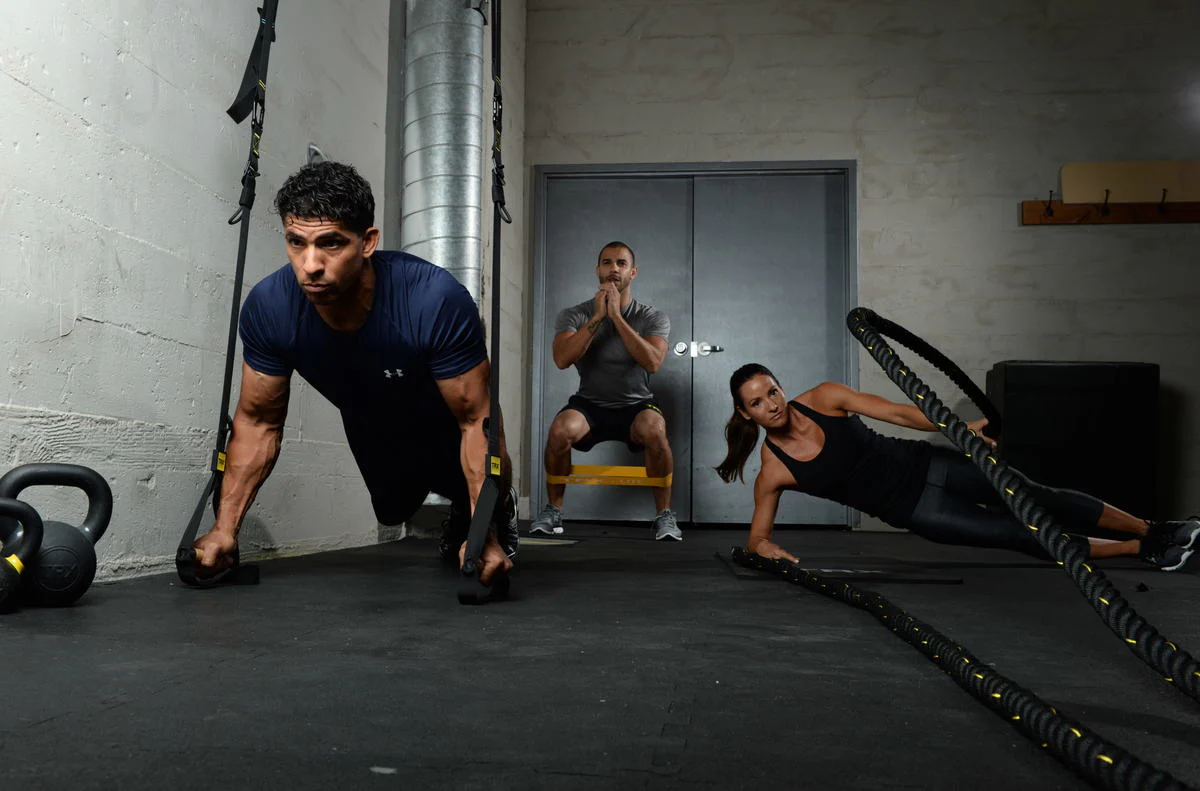
If you could upgrade every minute you spend working out so that it pays off not just in looks, but in how easily you move through life, would you do it? That is the promise of functional training, a fitness philosophy that is quietly transforming gym routines from Montreal to the world.
Understanding Functional Training
What Is Functional Training?
Functional training is about more than just burning calories or building muscle for show. It is a way of exercising that prepares your body for real-life movements. Think about squatting to pick up groceries, reaching for a high shelf, or sprinting to catch a bus. Functional training focuses on exercises that mirror these natural, everyday actions, training your muscles to work together efficiently.
Core Principles and Movement Patterns
At its core, functional training is rooted in multi-joint, multi-muscle movements. Unlike isolated exercises that target just one muscle (like a biceps curl), functional training often involves squats, lunges, pushes, pulls, and rotational movements. The body works as an integrated system, engaging the core for stability and balance in nearly every move.
How It Differs from Traditional Training
Traditional weightlifting often isolates muscles and uses machines that guide your motion. Functional training, on the other hand, usually relies on free weights, kettlebells, medicine balls, resistance bands, or simply your own bodyweight. The result? You train your body to move better, not just look better. This difference quickly becomes apparent when you compare a machine chest press to a push-up or a bench squat to a deep, unassisted squat.
Physical Benefits of Functional Training
Enhancing Strength and Stability
One of the most immediate benefits is a noticeable increase in whole-body strength and stability. Since most functional exercises require engagement of the core and stabilizing muscles, you get stronger in ways that matter off the gym floor too. This translates into better posture, easier movement, and a reduced risk of muscle imbalances.
Improving Balance and Coordination
Functional training is a secret weapon for anyone who wants to move gracefully and confidently. Exercises like single-leg deadlifts or lateral lunges challenge your balance and require coordination. Over time, this not only helps athletes improve their performance, but it also gives non-athletes greater confidence in daily movements, from walking on uneven sidewalks to climbing stairs.
Boosting Cardiovascular Health Through Functional Aerobics
Many functional training routines seamlessly blend strength and cardio. High-Intensity Interval Training (HIIT), circuit classes, and group aerobic programs found in places like Montreal’s West End pack squats, jumps, and compound movements into fast-paced intervals. This format boosts heart health, increases endurance, and burns calories long after the workout ends.
Injury Prevention and Rehabilitation Support
Perhaps the most underrated benefit of functional training is its role in injury prevention and recovery. By mimicking natural movement patterns and strengthening stabilizer muscles, you build resilience against common injuries. Physical therapists often incorporate functional exercises to help clients regain mobility and prevent setbacks.
Functional Training in Practice
Common Functional Exercises and Techniques
Curious where to start? These classic moves form the backbone of most functional routines:
– Squats and lunges (bodyweight or with weights)
– Push-ups and planks
– Medicine ball slams
– Kettlebell swings
– Standing rows and presses
– Deadlifts (single or double leg)
– Rotational core movements
Each of these exercises uses multiple muscle groups and teaches your body to coordinate strength, stability, and mobility all at once.
Integrating Functional Training with Aerobics, HIIT, and Pilates
Functional training is incredibly versatile. Group classes often blend it with aerobics, Zumba, HIIT, or Pilates. For example, a bootcamp might alternate between plyometric jumps, core-focused moves, and traditional aerobic steps. Classes like these, often scheduled throughout the week in community centers and gyms, keep things engaging and allow for continual progress.
Tailoring Functional Training to Different Fitness Levels
Whether you are a first-timer or a seasoned athlete, functional training can be adapted. Beginners might focus on mastering bodyweight movements and stability exercises, while advanced participants add resistance, complexity, or speed. Trainers in Montreal’s fitness scene, for example, offer modifications and progressions in every session so that everyone can participate safely.
Equipment and Space: From Bodyweight to CrossFit Tools
You do not need a high-end gym to get started. Many functional moves require no equipment at all. However, access to kettlebells, medicine balls, resistance bands, or a dedicated CrossFit area opens up even more possibilities. Many facilities, including those offering West-End functional training, provide specialized spaces and equipment tailored to these methods.
Mental and Lifestyle Advantages
Building Confidence and Body Awareness
There is something empowering about mastering a movement that once felt impossible. Functional training builds not only physical strength, but also confidence and self-awareness. You learn to control your body, understand its limits, and celebrate its potential.
Functional Training’s Role in Daily Life and Athletic Performance
The biggest payoff often happens outside the gym. Those who regularly practice functional movements notice daily life feels easier. Carrying groceries, playing with kids, or even shoveling snow becomes less of a challenge. Athletes find that improved mobility, stability, and coordination give them a competitive edge in their chosen sports.
Enjoyment and Motivation: Group Classes and Community Support
Sticking to a fitness routine is easier when you enjoy it. Group functional training classes offer camaraderie, encouragement, and accountability. In Montreal, a diverse schedule of options, from HIIT to Zumba to yoga, keeps things fresh and fun, ensuring there is always something new to try.
Getting Started with Functional Training
Assessing Your Fitness Goals and Needs
Before jumping in, consider what you want to achieve. Are you looking to build strength, improve endurance, prevent injuries, or simply move better? Clear goals help you and your instructor design a routine that fits your individual needs.
Finding the Right Classes and Instructors (Including Local Options)
Look for classes or trainers with experience in functional movement patterns. Instructors who offer West-End functional training often have extensive backgrounds in group fitness, personal training, and injury prevention, making them valuable resources for both beginners and advanced athletes.
Creating a Balanced Weekly Routine Incorporating Functional Training
A balanced fitness routine might include two to three functional sessions per week, combined with traditional strength, aerobic, or flexibility work. Many gyms offer a blend of classes, such as HIIT, Pilates, or Zumba, so you can mix and match based on your schedule and preferences.
Tips for Staying Consistent and Tracking Progress
Start small and build gradually. Celebrate milestones, track your progress, and do not be afraid to ask instructors for feedback or modifications. Most importantly, find joy in the journey. The functional gains you make inside the gym will quickly spill over into everything you do outside of it.
—
Functional training is not just a fitness trend; it is a smarter, more holistic approach to movement and health. Whether you are a weekend warrior, a busy parent, or just looking to future-proof your body, incorporating these principles into your routine will pay dividends for years to come.
